What to do with leftover herbs
Herbs rot for an arithmetic reason: recipes ask for a spoonful and shops sell a bunch. The four dishes that finish a whole bunch at once.
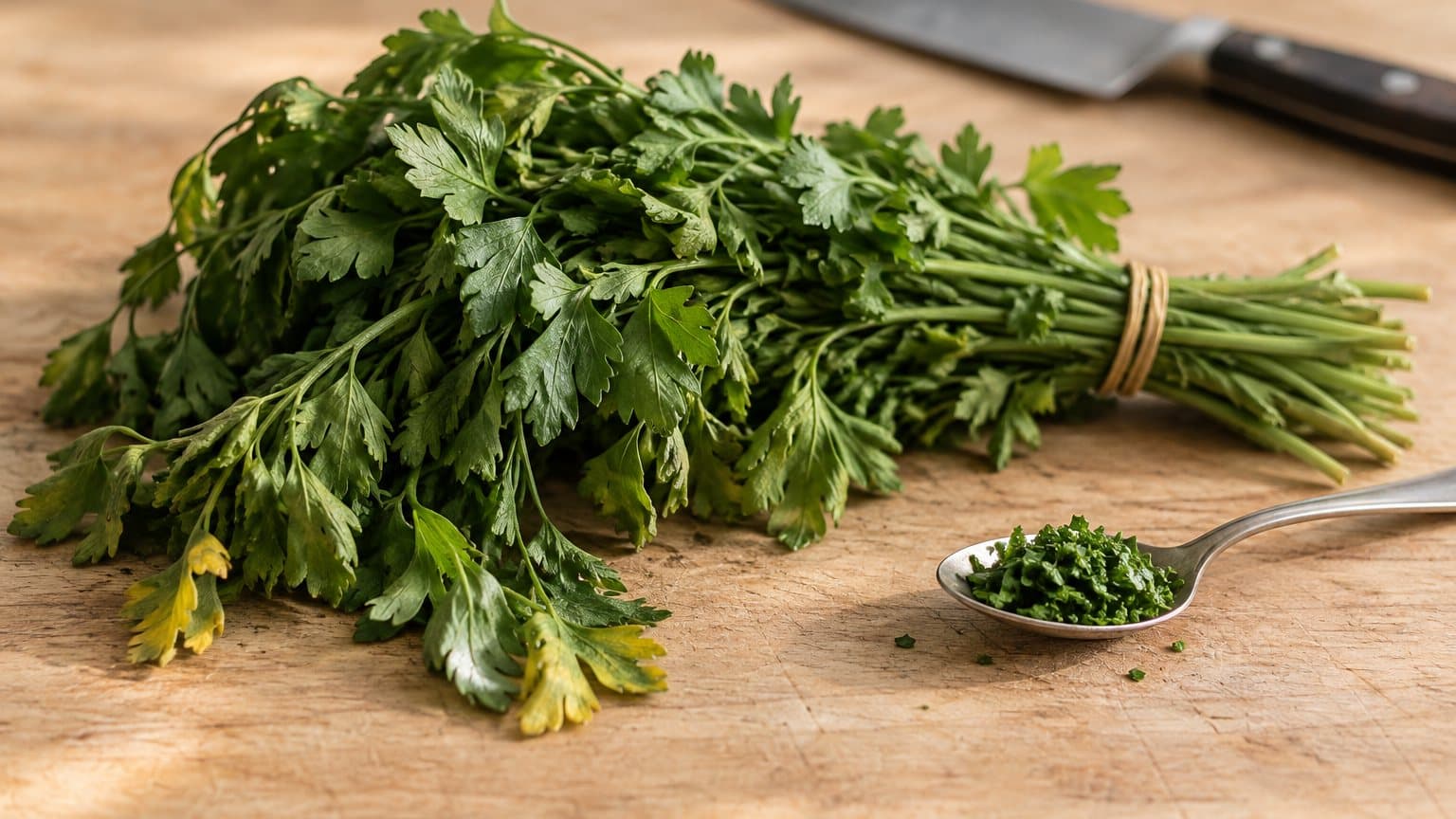
Cook the herb as a vegetable. A floppy bunch of parsley will not rescue a garnish, and it is perfectly good in a green sauce, in herb-heavy eggs, in a soup blitzed off the heat, or in a grain salad where the herbs are the salad and not the sprinkle on top. Each of them takes a whole bunch at once, and a whole bunch is the only amount that empties the drawer.
The rest of this post is about why the drawer fills up in the first place. The reason is arithmetic, and the arithmetic changes what you buy as well as what you cook.
The bunch outlives every recipe you own
A supermarket packet of soft herbs is somewhere around 20 to 30 grams. Open any recipe that mentions parsley and look at what it asks for: two tablespoons, chopped. A small handful. A few leaves, to serve.
So one packet covers five or six dinners' worth of garnish, and nobody cooks five dinners in one week that all want parsley. You use a tenth of it on Monday and a tenth of it on Thursday, and the rest sits in the drawer going dark at the edges while you do nothing wrong at all.
That is why storage advice never fixes it. A damp cloth, a glass of water, a jar with a bag over the top: they all work, and they all buy you a few days on a packet you were only ever going to use a fifth of.
One bunch of parsley, at four doses
one supermarket bunch
- 2 tbsp, chopped
Scattered over pasta
- a small handful
Gremolata for a braise
With lemon zest and a clove of garlic, chopped together.
- one whole bunch
Salsa verde
Oil, capers, anchovy, vinegar. Keeps for days and dresses anything.
- two bunches
Tabbouleh
Parsley with some bulgur in it, which is the correct ratio.
Almost every recipe in a normal collection stops short of that line. The dishes that clear a bunch are a short list, most people do not own a single one of them, and about four recipes is enough to fix that.
A tired bunch still cooks
Limpness is a texture problem, and it only matters where the herb is there for its texture. On top of a finished plate, or in a leaf salad, a tired bunch is no use and no amount of cold water will convince anyone otherwise.
Chopped into a sauce, stirred through hot rice, blitzed into soup or folded into eggs, a herb that has gone floppy behaves almost exactly like one that has not. Looks go first, then the volatile top notes (which is why basil, coriander and dill fade faster than parsley), and flavour goes last.
What is genuinely finished is easy to recognise: blackened slimy stems, or a smell that has turned sour. That bunch goes in the bin.
Four dishes that take the whole bunch
Each of these is a format you can run with whatever is in the drawer, and each one wants herbs by volume.
A green sauce
Salsa verde, chimichurri, zhoug, salsa de cilantro. One bunch, oil, an acid, something salty. Dresses fish, potatoes, eggs, beans and leftover roast chicken.
Herb-heavy eggs
Kuku sabzi is mostly herbs with enough egg to hold them together. A frittata or an omelette fines herbes works the same way at a lower dose.
Soup, finished with the lot
A potato and leek base, the herbs in at the very end with the pan off the heat, then blitzed. Stems included: they blend.
A grain salad
Tabbouleh, or any bowl of bulgur, freekeh or rice where the herbs are the bulk and the grain is the ballast.
Herb oil or herb butter
Blitz with neutral oil, or chop and mash into soft butter, roll it in paper and freeze the log. Once frozen, it stops wilting.
Rice, stirred through
Pilaf, or plain rice with half a bunch of dill and a lemon folded in after it has rested. Almost no work and it tastes deliberate.
Four half-bunches make one jar of sauce
By the time most people go looking, there is no single bunch to deal with. There is half a parsley, the last four sprigs of mint from a batch of mojitos, coriander stems from a curry, and some dill bought for a fish pie that never happened.
Four different herbs are fine in a green sauce. What makes it work is the ratio of leaf to oil to acid, and any mix of soft herbs will hold that ratio. Mint and parsley together make a sharper sauce than parsley alone, coriander and dill make one that goes better with fish, and no mix makes a bad one.
One jar of green sauce, four dinners
It takes five minutes and uses the parts of each bunch that are past garnishing. A drawer of small problems becomes one jar you will actually reach for.
Stems are a separate ingredient
About a third of what people throw away at the chopping board is stem, which was never the part that wilted.
Coriander stems carry more of the flavour than the leaves and they can take real heat, so they belong with the onion at the start of the pan, chopped fine. Parsley stems go the same way, or into stock. Chive and dill stems are the whole plant and there is nothing to discard. Hard-herb stalks, thyme and rosemary, go in whole and come out before serving.
Only the softest leaves need to go in at the end, and they are the smallest part of the bunch. Working from the stem end in gets you two or three extra uses out of something you already paid for.
Hard herbs are a different problem
Rosemary, thyme, bay, sage and oregano do not wilt the way the soft ones do. They dry, and dried is a usable state for them, so a forgotten packet of thyme is a mild inconvenience instead of a loss. Everything above is about the soft group: basil, parsley, coriander, mint, dill, chervil, chives.
A forgotten packet of rosemary is usually a sign you bought it for one recipe that was never going to come back.
Where a recipe app comes into it
None of the above needs software. Where software helps is the bookkeeping: knowing what is in your kitchen, and knowing which of the recipes you already liked enough to save can be cooked with it.
That is what the pantry in Sugo does. You tell it roughly what you have, including the bunch of coriander, and it ranks your own saved recipes by how much of each one your kitchen already covers, with the missing items listed for the ones that nearly work.
Your pantry
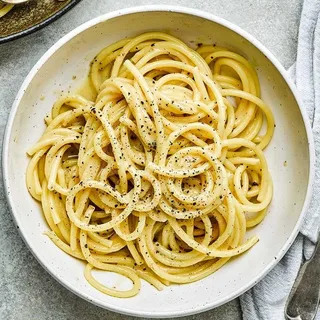
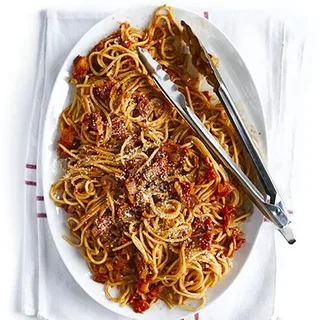
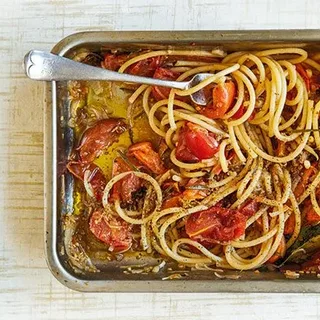
The question "what do I own that wants a whole bunch of coriander" is a question about your library, and your library is the one thing a recipe site cannot see. Ask Sugo takes the same question in plain language, so "something that uses up the coriander and the eggs" has an answer that comes out of your own collection.
The limit that matters most for this problem: Sugo does not know how old anything is. There is no date on a pantry item, so it cannot rank by urgency, which is the ranking this post has spent a thousand words arguing for. You get "what can I cook with coriander", and the fact that the coriander has three days left stays in your head.
Two smaller ones. Pantry matching is only as honest as what you told it, so a bunch you tick off and then forget to remove will quietly make the whole list wrong. And suggestions come from recipes you saved, so if you have never saved a dish that takes a whole bunch of anything, there is nothing for it to suggest. That is an argument for going and saving one, which is the same advice as the rest of this post.
For the broader version of this problem, what to cook with what you already have covers the method, and the 12 pantry staples that make almost anything cookable covers the cupboard half, including the acid that every green sauce in this post depends on.
What to do with the bunch in your fridge
Use the stem end first
Chopped fine into the base of whatever you are already cooking tonight. It is the part with the most flavour and the longest life.
Decide the dish while the bunch is still fine
A bunch with four days left and a plan is not a problem. The same bunch with no plan is in the bin on Sunday.
When you cannot face a dish, make the sauce
Everything soft in the drawer, oil, acid, salt, five minutes. One jar covers four dinners.
Save one recipe that wants a whole bunch
One green sauce, one herb-heavy egg dish. Two recipes change what a bunch of herbs is for.
Herbs are the cheapest thing in the shop and the thing most often thrown away, because the shop sells a bunch and your recipes want a spoonful. Nobody chose that mismatch. Own four recipes that want the whole bunch and the drawer mostly sorts itself out.
Sugo is free on iPhone, iPad and Mac, on Android, and in any browser at app.sugo.kitchen. If there is a bag of coriander in your fridge drawer with three days left and nothing planned for it, download Sugo.