A menu, not a spreadsheet.
Pull from the recipes you already saved: the pasta you return to, the curry you promised. Each day shows the dish, the time, and what's missing.
Drop saved recipes onto the days they belong to. The plan reads like a menu, shops like a list, and bends when Tuesday does.
This week
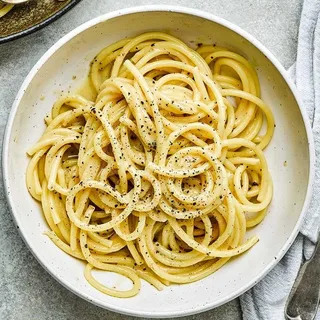

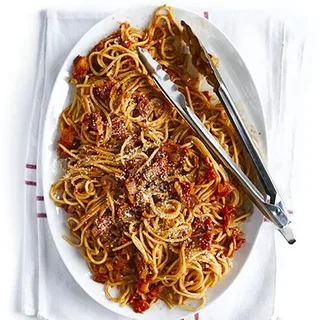


A meal plan in Sugo is just your saved recipes with dates on them, light enough to change, real enough to shop from.
Pull from the recipes you already saved: the pasta you return to, the curry you promised. Each day shows the dish, the time, and what's missing.
On famiglia, everyone sees the same week and edits it together. The plan lives where the cooking happens, with no screenshot forwarding.
Sugo folds every planned dinner into one grocery list, checks it against your pantry, and drops what you already have.
Household members vote on tonight's dinner straight from the plan. Results land live, and the winner goes on the stove.
Meal planning fails for a boring reason: the plan is made on Sunday by an optimist and executed on Wednesday by someone tired. A plan survives if it is easy to change and if it produces the shopping list by itself.
So Sugo's plan is built from recipes you have already saved and already like, dishes drop onto days by dragging, and moving Wednesday to Thursday is one gesture rather than a rewrite. What is planned turns into one grocery list, combined and grouped by aisle, so buying for the week is a single pass.
In most households the plan is not one person's document, and the friction is rarely the planning. It is that the plan lives in someone's head or someone's notes app, and the other person is at the shop.
On famiglia the plan is shared across a household of up to 20 people. Everyone sees the same week, everyone can edit it, and the grocery list updates for whoever is holding it. There is also a vote, for the evenings where the real question is not what is possible but what everyone actually wants.
It does not generate a week for you from nothing and it does not do nutrition targets or calorie budgeting. Sugo can tell you roughly what is in a serving, but those figures are automatic estimates and not a basis for a diet plan or any medical decision.
It also will not reorder your groceries. The list is a list, ready for whichever shop you use, not an integration with a delivery service.
Yes. Everything planned for the week is combined into one grocery list, with duplicate ingredients merged and items grouped by aisle, so a week of dinners is one trip rather than a recipe-by-recipe hunt.
One on the free plan, unlimited on sugo+ and famiglia. The free plan's single plan is a full week, so it is enough to actually use.
On famiglia, yes. A household of up to 20 people shares one plan, one grocery list, and one pantry, and everyone can edit all three. There is also a vote for settling what to cook on a given night.
No. Sugo suggests what you can cook from your pantry and what fits the week, but the plan is yours to build. It is made from recipes you have already saved, rather than generating meals you have never chosen.
Sugo can show approximate nutrition for a serving, but those numbers are generated automatically and are estimates. They are not suitable for medical or dietary decisions, and Sugo does not offer calorie targets or diet programmes.
A list gets rewritten because it kept the answer and threw away the question. Keep the dinners, the headcount and the shelf, and the list keeps itself.
AnyList has the best shared shopping list in the category. Sugo is built around what you can cook tonight. An honest comparison, checked August 2026.
Most meal plans die on Wednesday. The fix isn't more discipline: it's planning fewer meals, in no fixed order, with the week's chaos already built in.
Sugo is on the App Store for iPhone, iPad and Mac, on Google Play for Android, and in any browser at app.sugo.kitchen. It is free to start, so start saving the recipes you actually cook.