Meal planning for two when one of you is fussy
Two people rarely agree on whole dinners and almost always agree on ingredients. Plan the shared half, and let the rest join on the plate.
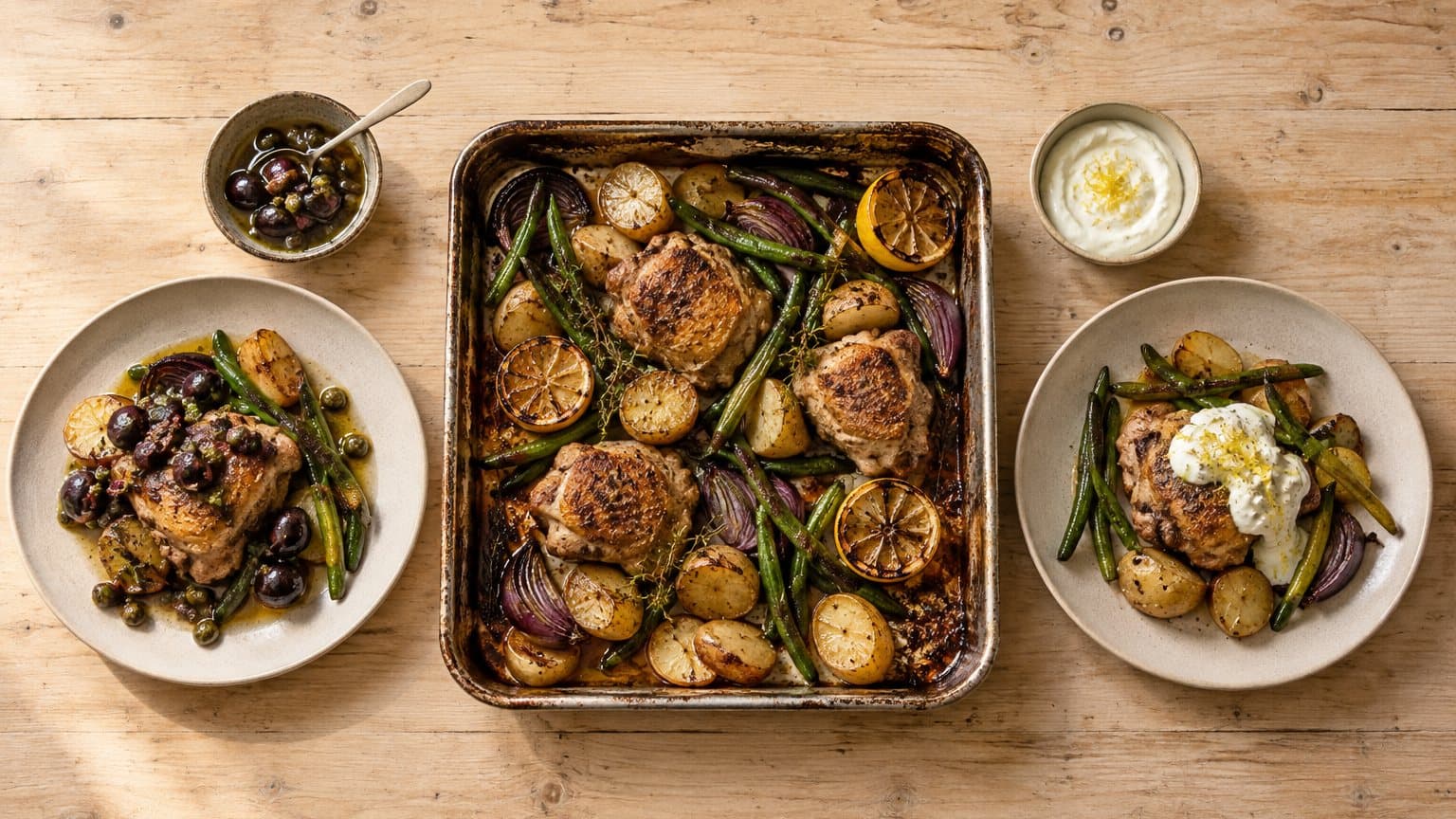
Plan the part of dinner you both eat. Choose four dinners whose shared half you both eat without discussion (the roast potatoes, the rice, the pasta, the chicken) and move everything contentious to the plate: the dressing in a bowl, the olives in a dish, the coriander chopped and left on the board. You cook once and shop from one list.
That is most of the method. The reason it works is arithmetic. The list of whole dinners two people both eat is short, and it gets shorter every time someone goes off something. The list of ingredients they both eat is long and barely moves. Plan from the first list and you run out of dinners by about March. Plan from the second and you have more options than you have evenings.
Below is why the second list is so much longer, and what to do when it is not.
Two people, two lists
Try it on paper tonight. Write down the dinners you both eat with no negotiation at all. Then write down the ingredients you both eat.
The second list will be several times the length of the first, and the extra dinners come from that difference. A dinner is an all-or-nothing object: one ingredient in it that one of you will not eat vetoes the entire dish, including the parts of it that were fine. Every new recipe has to clear two people to be worth saving, which is why a couple's repertoire tends to settle at a handful of dinners and stay there.
Planned from the dish list
- A handful of dinners that clear both of you
- Every new recipe has to pass two vetoes
- The list only shrinks: one bad bowl of something and it is shorter
- The dinners that survive are the ones nobody has an opinion about
Planned from the ingredient list
- The shared half of the dinner is the thing you plan
- A new recipe only has to clear the base
- The part one of you will not eat sits in a bowl
- The strongest flavour on the table belongs to whoever wanted it
Most fussiness is about combinations
"Fussy" covers at least three different objections, and each one has a different fix.
Some of it is texture, and that one is real. Aubergine, mushrooms, okra, the skin on a baked custard: the objection survives every recipe you throw at it, because it was never about flavour and no amount of good cooking argues with it.
More of it is mixture. Raw tomato in a sandwich is fine and the same tomato in a stew is not, because by then it has gone soft and sour and got into everything else. Rice, chicken and peas on a plate are three things someone eats happily; the same three in a risotto are one thing they do not. This is the big category and it is the one people misread as arbitrary.
A bit of it is proximity, which is to say things touching. It sounds like an argument you should win and it is not worth having, because the remedy is a plate with some space on it and costs nothing.
Only the first of those is a genuine veto on an ingredient. The other two are objections to assembly, and where a dinner gets assembled is a decision you control.
The hiding thing does not work
The standard advice is to hide it: blend the vegetables into the sauce, grate the courgette into the bolognese, say nothing. It works once.
What it costs is that the other person stops trusting a plate you cooked, and someone inspecting their dinner is much harder to feed than someone who simply is not eating mushrooms. Say what is in everything. Put the thing they will not eat where they can see it, within reach, and let them leave it.
One pan, two plates
Here is one dinner done this way. A tray of chicken thighs, potatoes and red onion with thyme and lemon goes in the oven and wants nothing from you while it roasts. In that time you make a sharp anchovy and caper dressing in a bowl, which is a thing one of you considers the best part of dinner and the other considers a prank.
One tray, two plates
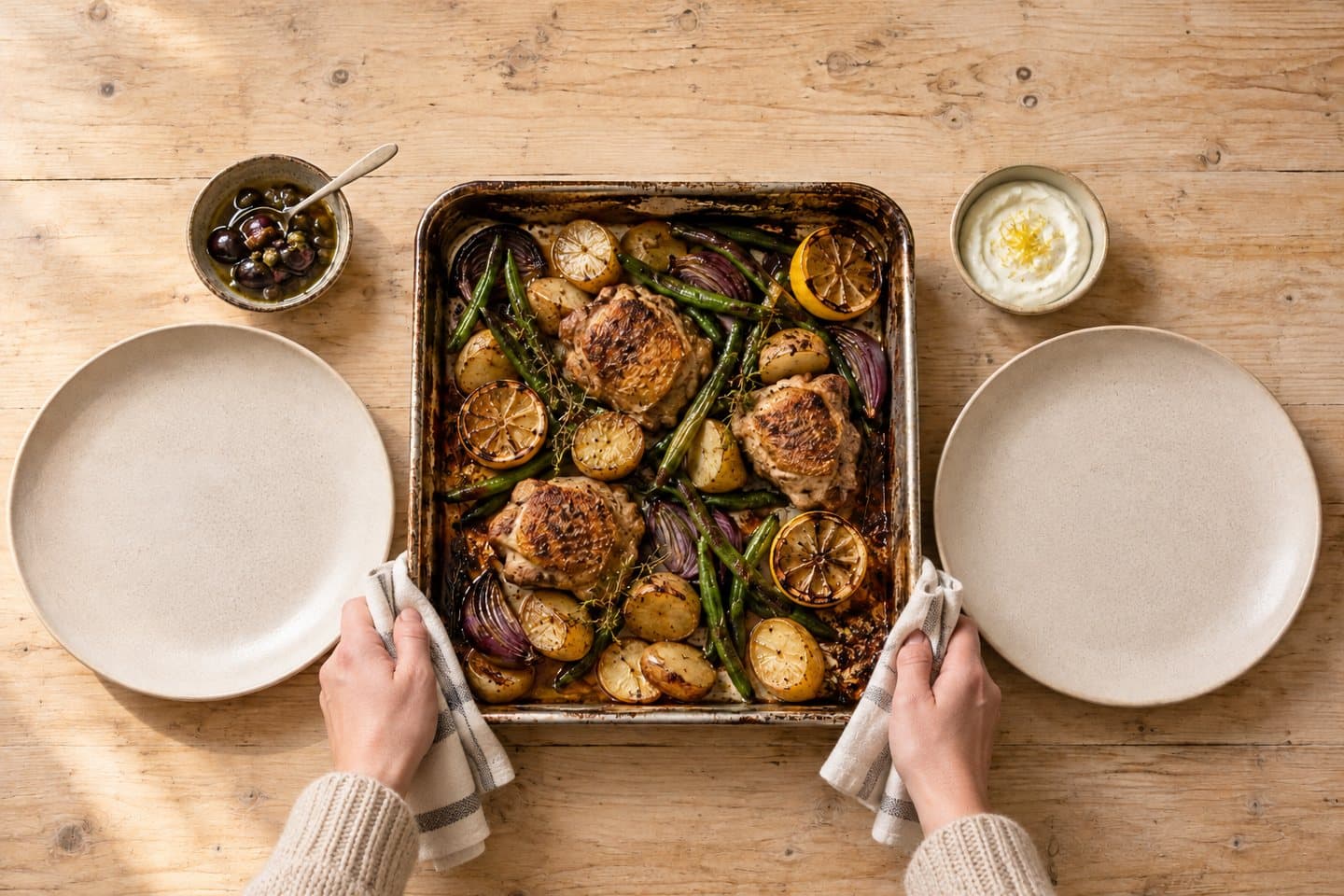
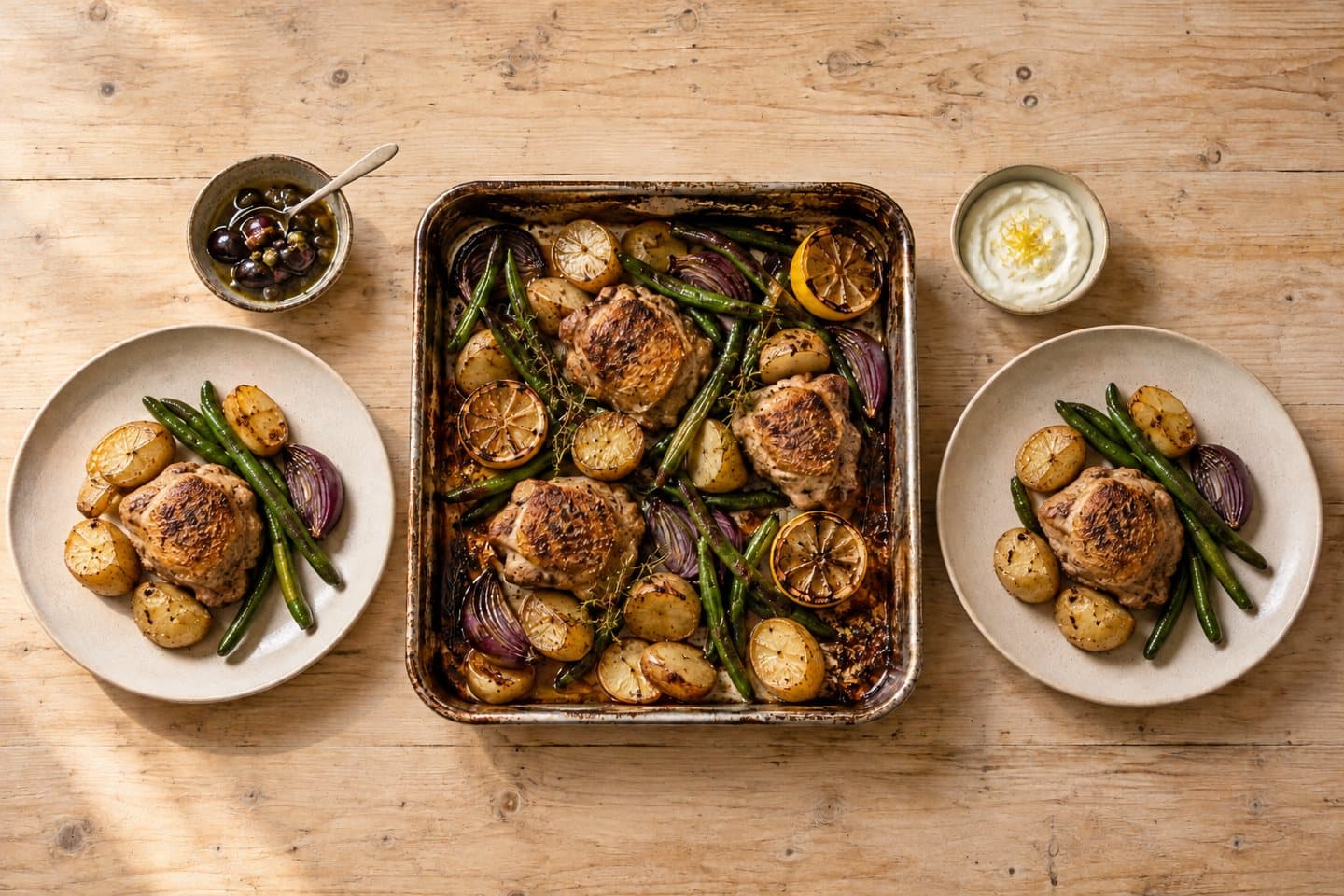
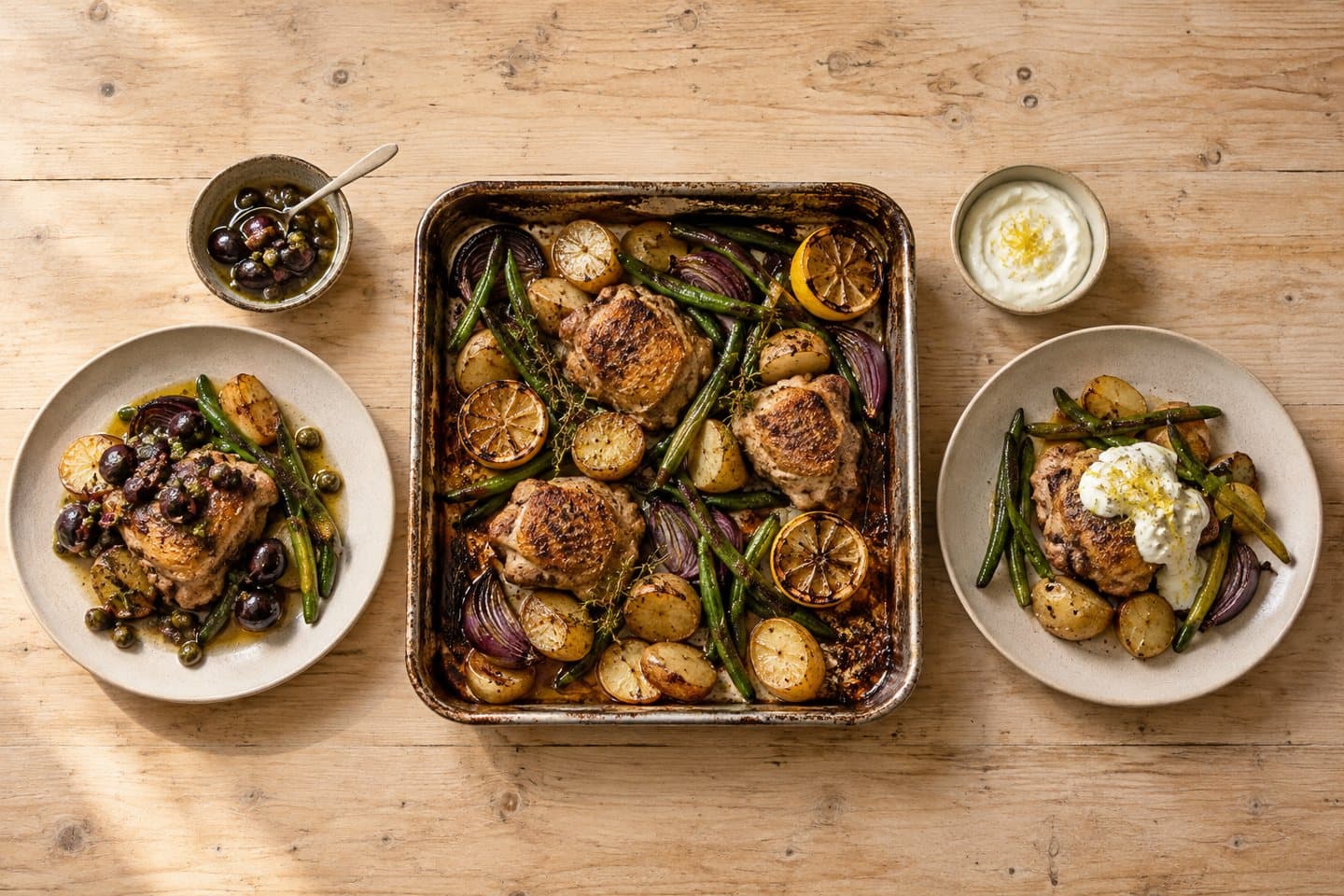
With the dressing
6 + 2
- Anchovy and caper dressing
- Black olives
Cooked once, in the tray
6
- Chicken thighs
- Potatoes
- Red onion
- Thyme
- Lemon
- Green beans
Without
6 + 1
- Yoghurt with lemon
Nothing in the tray is a compromise. The usual compromise is a dinner neither of you is interested in: plain chicken, plain rice, offensive to nobody, memorable to nobody. It is what a shrinking dish list does to a kitchen over a couple of years.
Late assembly gets you out of it, because the loudest flavour of the meal no longer has to clear two people. It only has to clear the person eating it. The cost is one extra bowl and a second spoon.
Dinners that assemble late
Some dinners are built for this and some fight it. A sauce has to happen in the pan. A topping does not, and most of what makes a dinner taste of something is a topping.
Rice and toppings
A tray
Something wrapped
Soup with the bowls beside it
Pasta dressed per bowl
A roast
What this does not fix
If the objection is the base, there is nothing to split. "Anything with a sauce on it" or "anything that is one mixed-up thing" leaves no shared half to plan around, and on those nights you are cooking two dinners. That is fine, and you have not planned badly. The method above simply has nothing to offer on those evenings.
A genuinely short list is also a different problem. Someone who eats five foods is not a planning puzzle, and a blog post about trays is the wrong tool for it.
And the obvious one: this adds washing up. An extra bowl, a second serving spoon, occasionally a second small pan. Worth it against cooking twice, annoying against cooking once.
Where Sugo helps
Everything above is a decision about where food gets assembled, which no software can make for you. What software is good at here is the bookkeeping, and the bookkeeping is the part people give up on.
A meal plan in Sugo is your own saved recipes with dates on them. Four dinners whose base you both eat, decided once, light enough to move when Thursday falls apart. Pair it with a meal plan that survives a real week and you are planning four dinners instead of seven, which matters more when two sets of preferences have to fit inside each one.
This week
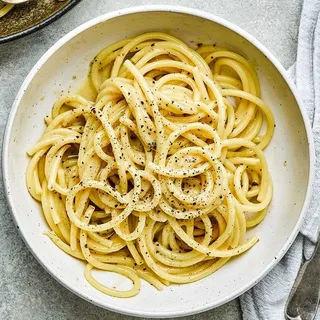

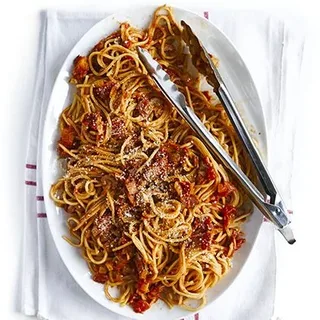
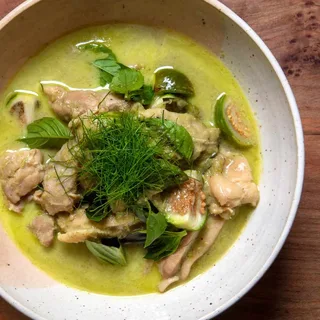
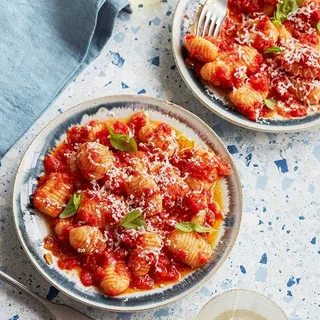
On famiglia, the plan is shared across the household, so it stops being one person's plan that the other has to be told about. Both of you see the same week, and both of you can change it.
There is a vote. Household members pick tonight's dinner from the plan and the results land live. With two people that is a coin toss with a record of itself, which sounds like nothing and removes the seven o'clock conversation.
The plan rolls into one grocery list, deduplicated across the dinners and checked against your pantry, so the jar you already own stays off it. A shopping list you don't have to rewrite goes into why that list keeps getting rewritten by hand.
When the objection really is in the base, Ask Sugo can remix a recipe: ask for a version without the thing, and it proposes the change, shows you exactly what moves, and only rewrites once you say yes.
Sugo has no idea who in your house will not eat mushrooms. There is no per-person list of refusals, a plan holds dishes and not plates, and the grocery list will cheerfully add the anchovy dressing without knowing that one of you is the only customer for it. The split stays in your head; nothing in the app records that a dinner comes out as two plates. If that is the feature you want, it is a fair thing to ask for and it does not exist yet.
The week, written down
Write both lists
The dinners you both eat, then the ingredients you both eat. Plan from the second one.Four dinners, chosen for their base
The shared half has to be something neither of you has to be talked into.Keep the split to one component
A bowl, a jar, a handful of something chopped. If a dinner needs three separate splits, it is the wrong dinner.Assemble at the table
Bring the pan and the bowls out, and build the plates there.Say what is in everything
Trust is worth more than one eaten courgette.
Two people who can both eat most of what is in the kitchen will eat well together for years. Two people down to a handful of agreed dinners will be ordering a takeaway on Wednesday, and it will not be because either of them is difficult.
Sugo is free on iPhone, iPad and Mac, on Android, and in any browser at app.sugo.kitchen. If dinner for two has narrowed to the same six dishes, download Sugo.
